


Building Resilience with Practical Tools

Life has a way of throwing curveballs when we least expect it. Sometimes, it feels like the weight of the world is pressing down on us, and the path forward seems unclear. I’ve been there too—feeling overwhelmed, uncertain, and vulnerable. But over time, I’ve learned that building resilience is not about avoiding hardship; it’s about developing the strength and tools to navigate through it. Today, I want to share with you some practical strategies that have helped me—and many others—grow stronger, more grounded, and more hopeful.
Resilience Building Strategies That You Can Start Today
Building resilience is a journey, not a destination. It’s about cultivating habits and mindsets that support your well-being, especially when life gets tough. Here are some strategies that I’ve found incredibly helpful:
1. Practice Mindful Awareness
Mindfulness is more than just a buzzword. It’s a way to anchor yourself in the present moment, noticing your thoughts and feelings without judgment. When I started practicing mindfulness, I realized how often I was caught up in worries about the future or regrets about the past. Bringing my attention back to the here and now helped me feel calmer and more in control.
Try this: Spend 5 minutes each day focusing on your breath. Notice the sensation of air entering and leaving your body. When your mind wanders, gently bring it back.
Why it helps: Mindfulness reduces stress and increases emotional regulation, which are key components of resilience.
2. Build a Support Network
No one is meant to face challenges alone. Reaching out to friends, family, or support groups can provide comfort and perspective. I remember a time when I felt isolated, and simply talking to someone who listened without judgment made a huge difference.
Try this: Identify two or three people you trust and make a plan to connect regularly, whether by phone, text, or in person.
Why it helps: Social connections foster a sense of belonging and provide practical help when needed.
3. Set Realistic Goals and Celebrate Small Wins
When life feels overwhelming, breaking down your goals into manageable steps can make progress feel achievable. I used to set huge goals and then feel defeated when I didn’t meet them. Now, I focus on small, consistent actions and celebrate each success.
Try this: Write down one small goal each day, like taking a short walk or journaling your thoughts.
Why it helps: Achieving small goals builds confidence and momentum.

What is the true meaning of resilience?
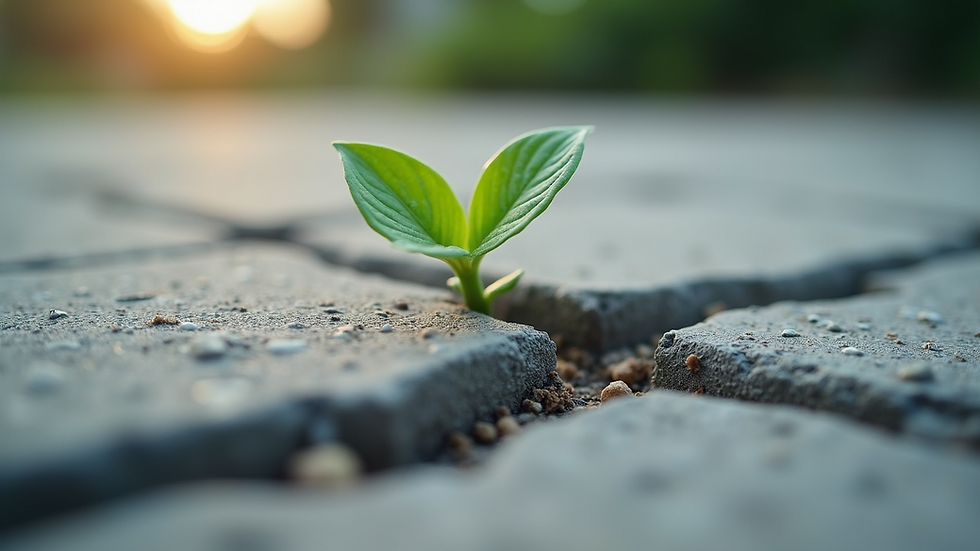
You might wonder, what does resilience really mean? Is it just about bouncing back from adversity? For me, resilience is much deeper. It’s about bouncing forward—growing through challenges and becoming more whole in the process.
Resilience is not about being invincible or never feeling pain. It’s about embracing vulnerability and learning to adapt. It means acknowledging your struggles without letting them define you. When I reflect on my own journey, I see resilience as a dance between strength and softness, courage and compassion.
Here’s what I’ve come to understand about resilience:
It’s a skill, not a trait: Anyone can develop resilience with practice.
It involves emotional flexibility: Being able to experience difficult emotions without being overwhelmed.
It requires self-compassion: Treating yourself with kindness during hard times.
Understanding this has helped me approach my challenges with more patience and hope.
Practical Tools to Strengthen Your Inner Resilience
Now that we’ve explored what resilience means, let’s dive into some practical tools you can use to strengthen it every day.
1. Somatic Awareness and Grounding Techniques
Our bodies hold onto stress and trauma, often without us realizing it. Somatic practices help you tune into your body’s signals and release tension. I’ve found grounding exercises especially helpful when anxiety feels overwhelming.
Try this: Sit comfortably and place your feet flat on the floor. Feel the connection between your feet and the ground. Take slow, deep breaths and notice any sensations in your body.
Why it helps: Grounding brings you back to the present and calms the nervous system.
2. EMDR-Informed Self-Care Practices
Eye Movement Desensitization and Reprocessing (EMDR) therapy is a powerful approach for healing trauma. While professional guidance is essential, some self-care practices inspired by EMDR can support your resilience.
Try this: Use bilateral stimulation techniques like tapping your knees alternately or listening to alternating sounds while reflecting on a positive memory.
Why it helps: These techniques can help process difficult emotions and reinforce positive experiences.
3. Journaling for Emotional Clarity
Writing down your thoughts and feelings can be a safe way to explore your inner world. When I journal, I often discover patterns or insights that I hadn’t noticed before.
Try this: Set aside 10 minutes to write freely about your day, your feelings, or a challenge you’re facing.
Why it helps: Journaling promotes self-awareness and emotional release.
4. Cultivating Gratitude and Positivity
It might sound simple, but focusing on what you’re grateful for can shift your mindset. I like to jot down three things I’m thankful for each morning. It doesn’t erase difficulties, but it reminds me that there is still good in the world.
Try this: Keep a gratitude jar or notebook and add to it daily.
Why it helps: Gratitude fosters optimism and resilience.

Embracing Vulnerability as a Strength
One of the most profound lessons I’ve learned is that vulnerability is not a weakness. It’s a doorway to connection, healing, and growth. When you allow yourself to be seen—flaws and all—you create space for authentic relationships and self-acceptance.
Try this: Share a small truth about your feelings with someone you trust.
Why it helps: Vulnerability builds trust and deepens bonds.
Remember, building resilience is a process that involves both courage and kindness toward yourself. It’s okay to ask for help and to take things one step at a time.
Moving Forward with Hope and Strength
As you explore these strategies, know that you are not alone. Every step you take toward building resilience is a step toward a more empowered and connected life. It’s about reclaiming your inner strength and embracing the fullness of your experience.
If you ever feel stuck or overwhelmed, consider reaching out for support. Healing is possible, and there are compassionate guides ready to walk alongside you.
You have within you the capacity to grow through adversity and to thrive. Keep going—you are stronger than you know.


Comments